The most common signs are persistent tiredness, weight that settles around your middle and refuses to shift, energy crashes after meals, and a mild ache under the right ribs. Often, though, there are no symptoms at all, which is exactly why so many people miss it.
Your liver reflects how you live, quietly and honestly, long before anything hurts. The tiredness you blame on work, the sluggish afternoons, the stubborn scale: these are signals from an organ that never complains loudly. Learning to read them early is one of the most protective things you can do for your health.
We hear a version of the same story in the clinic all the time. Someone comes in for a weight loss consultation; we run a non-invasive liver scan, and the liver tells us what
years of busy living never said out loud. And here is the hopeful part, one supported by peer-reviewed hepatology research: given the right conditions, the liver is one of the few organs that can genuinely repair itself.
How Are Liver Health and Weight Loss Connected?
They run in both directions. Excess weight drives fat into the liver, and a fat-loaded liver then makes weight harder to lose, because the liver sits at the centre of how your body handles sugar, fat, and hunger hormones. Improve one, and you almost always improve the other.
This is the loop between liver and metabolism that most diet plans never mention. A healthy liver clears excess glucose, burns fat efficiently, and keeps insulin working properly. A fatty one does the opposite: it resists insulin, stores more fat, and nudges your body toward further weight gain. The scale of the link is striking.
In a peer-reviewed UK Biobank imaging study, people with a BMI over 30 had roughly a one in three chance of high liver fat, compared with just 5% of those with a BMI under 25.
So when weight will not shift despite genuine effort, liver health and weight loss deserve to be looked at together.
| One clinician-led assessment, one scan, one honest conversation, and a plan built around your body. That is how balance starts, not with guilt, but with information. Book your liver scan and consultation with Harley Weight Loss Clinic today. All consultations are with a qualified clinician, scan results are interpreted by our clinical team, and individual results vary. |
Why Is Fatty Liver Disease UK‘s Quietest Health Problem?
Fatty liver disease UK estimates suggest around one in five people already have it, most without knowing, and the advanced form goes undetected in four out of five cases. Globally, the picture is even starker, affecting more than a third of adults.
The British Liver Trust estimates that one in five people in the UK have non-alcohol-related fatty liver disease, and that four in five people with the more advanced form are undiagnosed.
Worldwide, a major peer-reviewed analysis in the journal Hepatology found that prevalence has risen by more than 50% in three decades, reaching 38% of adults in recent years.
These are not statistics about other people. They describe colleagues, family members, and quite possibly the person reading this. The condition now goes by a newer medical name, MASLD, but the practical message is unchanged: it is common, it is quiet, and it is far easier to address early.
What Is MASLD, the New Name for Fatty Liver Disease UK Doctors Now Use?
MASLD stands for metabolic dysfunction-associated steatotic liver disease, and it is the official medical name for what most people still call fatty liver. The name changed in 2023 to reflect what actually drives the condition: not alcohol, but metabolic health, weight, blood sugar, and insulin.
The rename matters for more than accuracy. The old label, non-alcoholic fatty liver disease, defined the condition by what it was not, and many patients found it confusing or quietly stigmatising. The new name points directly at the cause, and that changes the conversation.
If metabolic dysfunction drives the disease, then improving your metabolism treats it. Your weight, your blood sugar, your activity, and your diet are not side notes to liver care. They are liver care, delivered as part of a medically supervised plan.
In practice, you may hear any of the three names, NAFLD, MASLD, or simply fatty liver, sometimes in the same appointment. They describe the same underlying condition, and the same encouraging rule applies to all of them: caught early, it responds remarkably well to the right plan.
What Are the Signs of an Unhealthy Liver You Might Be Ignoring?
Because the liver has no pain receptors of its own, it rarely shouts. Instead, the signs of an unhealthy liver tend to whisper through the rest of your body:
| The signal you notice | What it may be telling you |
| Constant tiredness, brain fog | The liver is working harder to process fats and sugars |
| Weight settling around the waist | Fat may also be accumulating inside the liver itself |
| Energy crashes after meals | Blood sugar regulation, a core liver job, is under strain |
| Mild ache under the right ribs | A liver enlarged by fat can stretch the tissue around it |
| Nothing at all | The most common early “symptom”, which is why testing matters |
None of these proves a liver problem on its own. But together, they are a pattern worth checking rather than ignoring, because the earlier the liver is heard, the simpler the fix. If you recognise these signs, the right next step is a clinical assessment rather than self-diagnosis.
What Does the Liver Scan Harley Weight Loss Clinic Offers Actually Involve?
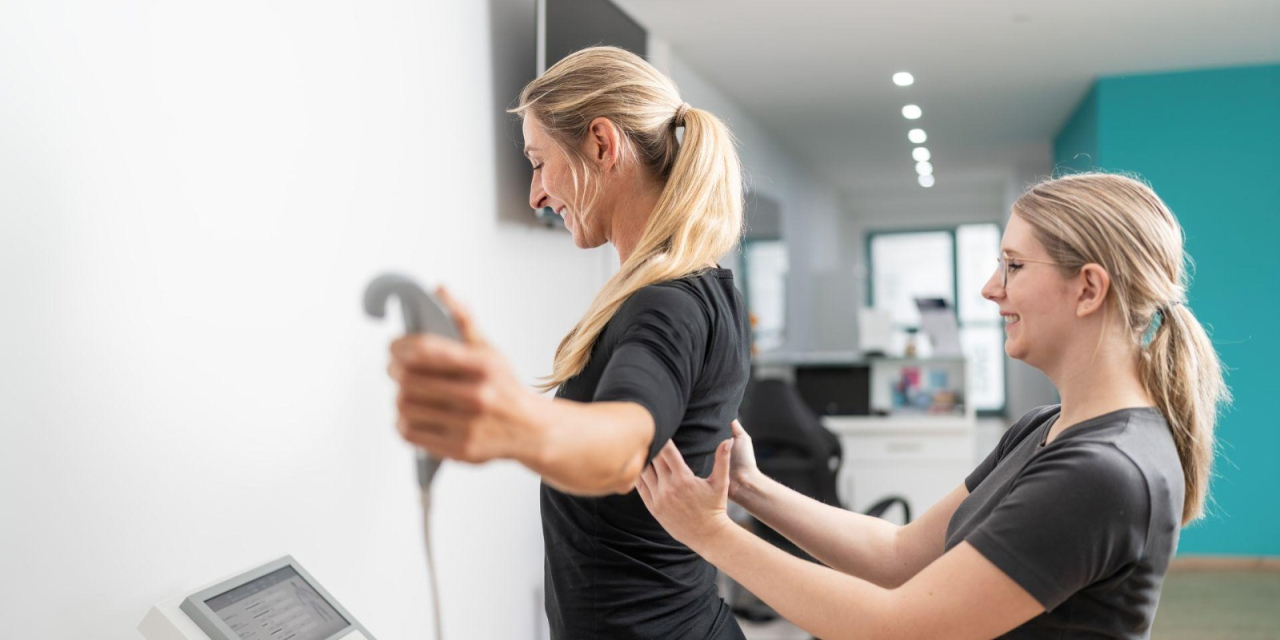
A liver scan at Harley takes minutes, uses no needles, and measures both the fat in your liver and any early stiffening of the tissue. You get objective numbers instead of guesswork, and a clear baseline to improve from, reviewed with you by a qualified clinician.
A non-invasive liver scan works a little like an ultrasound. You lie back, a probe rests against your skin, and the technology reads how sound waves travel through the liver. Softer, low-fat tissue reads differently from fat-loaded or stiffened tissue, so the scan can quantify what is happening inside without a single incision.
As part of our wider Harley Weight Loss Clinic clinical assessment, it sits alongside bloodwork and body composition analysis, so your liver result is never read in isolation. It becomes part of one joined-up picture of your metabolic health, interpreted by our clinical team and reviewed with you, in plain language.
This is also where our clinical depth matters. Dr Saima Ajaz, who leads this thinking at Harley UK, is a specialist hepatologist at the Institute of Liver Studies, King’s College Hospital, with a PhD in Diabetes, Endocrinology and Metabolism. Liver-first weight care is not a marketing angle for us. It is her field.
| Wondering what your liver would say about you? A scan takes minutes and gives you clear, clinically interpreted information about your liver health. Book a consultation with a qualified clinician to discuss what your results mean for you. Individual results vary. |
Can You Reverse Fatty Liver Naturally?
Yes, in the early stages, according to published clinical evidence. The liver is one of the body’s most regenerative organs, and modest, sustained weight loss is the most proven way to reverse fatty liver naturally, before inflammation and scarring take hold.
The evidence for this is peer-reviewed and specific. Clinical guidance summarised by liver specialists shows that losing 5% of body weight starts to reduce liver fat and 7 to 10% improves inflammation. In a landmark prospective study published in the journal Gastroenterology in 2015, weight loss above 10% was associated with resolution of the inflammatory form of the disease in up to 90% of study participants. These figures come from research populations, and individual results vary.
As the liver and metabolism recover together, our programmes and nutrition and exercise team are built around that window of opportunity.
Ready for a Liver Scan Harley Weight Loss Patients Trust?
Your liver has been keeping an honest record all along. Reading it early turns a warning into an opportunity, and an opportunity into a plan. Whether your goal is weight, energy, or simply peace of mind, it starts with listening to the organ that never lies.
Our Harley Weight Loss Clinic makes the first step simple. Every consultation is with a qualified clinician, and every plan is built on your own results. Learn more about our clinic or speak to the team today.
FAQs
1. Can I have a fatty liver if I am not overweight?
Yes. Liver fat can accumulate in people of normal weight, particularly those of South Asian background, where the risk runs higher at lower BMI levels. This is exactly why scanning and bloodwork matter more than appearance, and why we never judge liver health by the mirror alone.
2. Does a liver scan hurt, and how long does it take?
Not at all, and it is usually over within ten to fifteen minutes. The scan is completely non-invasive, similar to an ultrasound, with no needles, dye, or recovery time. You simply lie back while a probe reads your liver, and results are discussed with you by a clinician afterwards.
3. What do my liver blood tests miss that a scan can catch?
Standard blood tests can look normal even when significant liver fat is present, because enzyme levels do not always rise early. A scan measures the fat and stiffness directly, which is why we combine both. Together they give a far more complete and reliable picture.
4. How quickly can the liver improve once I start?
Faster than most people expect. The liver responds within weeks of consistent change, and meaningful fat reduction is often measurable within a few months. Progress varies from person to person, which is why we rescan and review so that you can see your own improvement in real numbers.
5. Is fatty liver reversible at every stage?
The earlier, the better. Simple fatty liver is highly reversible, and even the inflammatory stage responds well to sustained weight loss. Once advanced scarring develops, full reversal becomes harder, though progression can still be slowed. That difference is the strongest argument for checking early rather than waiting.