What Are the Best Menopause Supplements and Vitamins for Menopausal Women?
Vitamin D has the clearest official backing of any supplement for most women at this stage of life, alongside calcium when your diet falls short. Trials show that many popular menopause products do no better than placebo, so spend money on proven nutrients and ask a clinician first.
Which vitamins and minerals do women need during perimenopause and menopause?
Falling oestrogen levels change how the body manages bone, muscle, and energy, so vitamin D, calcium, magnesium, and vitamin B12 all matter through the menopausal transition. Most come from a balanced diet; a supplement is useful only where food genuinely cannot cover the need.
Guides to vitamins for menopause often list a dozen products, yet the evidence supports far fewer, and most supplements for women promise more than trials can back up. Each nutrient below has an official UK daily figure, and every figure in this article links to its source. Nutrition is one strand of holistic menopause care, which also weighs medical treatment, movement, and sleep for menopause and beyond.
Daily amounts at a glance
| Nutrient | UK daily amount (adults 19 to 64) | What it does |
|---|---|---|
| Vitamin D | 10 micrograms | Supports normal bones, teeth, and muscles |
| Calcium | 700mg | Builds and maintains bone; low intake is linked with osteoporosis in later life |
| Magnesium | 270mg for women | Turns food into energy; supports the parathyroid glands that regulate bone hormones |
| Vitamin B12 | 1.5 micrograms | Makes red blood cells, keeps nerves healthy, releases energy from food |
| Vitamin C | 40mg | Maintains healthy skin, blood vessels, bones, and cartilage |
| Iron | 14.8mg to age 49; 8.7mg from 50 | Carries oxygen in the blood; needs fall once periods stop |
How does vitamin D3 support bone health once oestrogen falls?
Vitamin D helps the body absorb calcium and keeps bones and muscles working properly, which matters more once oestrogen falls and bone density declines. The NHS advises a daily 10 microgram dose during the autumn and winter months, when sunlight is too weak for the skin to make enough.
Low oestrogen speeds up bone loss and raises the risk of osteoporosis, so this is the one decision with clear official guidance behind it: 10 micrograms daily in autumn and winter, and year-round for people who get little sun, with a safe ceiling of 100 micrograms a day. The supplementation story has a nuance worth knowing.
A randomised trial of 25,871 generally healthy adults, published in the New England Journal of Medicine in 2022, gave 2,000 IU of vitamin D3 daily and found no reduction in fractures over a median of 5.3 years compared with placebo.
The lesson is not that the vitamin is pointless; it is that extra doses add little for people who already have enough, while preventing deficiency remains the goal.
Bone health deserves the most attention from women who went through early and premature menopause, because their bones spend more years with low oestrogen.
Do Calcium and Magnesium Help With Menopause Symptoms?
Calcium protects bone strength rather than easing flushes, and adults need 700mg a day, ideally from food. Magnesium supports normal muscle function and energy release, yet a randomised trial of magnesium supplements for hot flush relief found no benefit over placebo, so treat symptom claims cautiously.
Dairy foods, green leafy vegetables, fortified soya drinks, and fish eaten with bones supply it well, and staying at or under 1,500mg a day from supplements avoids stomach upsets. Official guidance is that a varied diet provides the 270mg women need each day, with supplemental doses kept to 400mg or less.
The clearest symptom test so far is discouraging: a double-blind, placebo-controlled trial published in Menopause in 2015 enrolled 289 postmenopausal women with troublesome flushes after breast cancer, and eight weeks of magnesium oxide at 800mg or 1,200mg a day worked no better than placebo, with more diarrhoea.
Marketing often runs ahead of this evidence among menopausal women, which is why supplementation should follow a measured need rather than a trend.
Do omega-3 fatty acids help with hot flushes and night sweats?
Omega-3 fatty acids support heart and brain health, but the trial evidence for menopause relief is weak. A large randomised trial found no effect on hot flushes, and a systematic review reached the same conclusion, although it did report fewer and milder night sweats with omega-3.
The clearest test came from the MsFLASH network: a randomised controlled trial of 355 peri- and postmenopausal women, published in Menopause in 2013, in which 1.8g of omega-3 daily for 12 weeks did no better than placebo for vasomotor symptoms, the clinical name for flushing and sweating, and made no difference to sleep or mood either.
A 2018 systematic review and meta-analysis of three trials covering 483 women confirmed the null result for flushing and recorded no improved quality of life, but did find sweating at night occurred less often and less severely with omega-3.
Oily fish once a week covers most people’s omega-3 intake without a capsule in sight, and interest stays high because these fats genuinely matter for brain function and heart health across life, not only in midlife.
What the trials found
| Product tested | Study | Who was studied | Result |
|---|---|---|---|
| Vitamin D, 2,000 IU daily | Randomised trial, New England Journal of Medicine, 2022 | 25,871 generally healthy adults, median 5.3 years | No reduction in fractures versus placebo in people without deficiency |
| Magnesium oxide, 800mg or 1,200mg | Double-blind randomised trial, Menopause, 2015 | 289 women with troublesome flushes after breast cancer | No better than placebo after eight weeks; more diarrhoea |
| Omega-3, 1.8g daily | Randomised controlled trial, Menopause, 2013 | 355 peri- and postmenopausal women, 12 weeks | No effect on flushing frequency, sleep, or mood |
| Omega-3, pooled trials | Pooled meta-analysis, 2018 | 483 women across three randomised trials | No effect on flushing; night sweats less frequent and less severe |
Unsure what you are actually short of? Harley Weight Loss Clinic can test vitamin D, B12, iron, and full blood markers through our diagnostics service, then build advice around your results. Every consultation is with a qualified clinician, and individual results vary.
Which B vitamins and other nutrients should you consider during menopause?
Vitamin B12 helps the body make red blood cells, keep the nervous system healthy, and release energy from food, which is relevant when fatigue, low mood, or brain fog appear. Adults need only 1.5 micrograms a day, so a supplement mainly suits vegans and people with absorption problems.
Each B vitamin plays a part in energy production and normal metabolism, and official guidance puts adult B12 needs at about 1.5 micrograms a day, an amount a varied diet meets easily unless you are vegan.
No vitamin is proven to sharpen cognitive function or clear the fog many women describe in trials of women with menopausal symptoms, although correcting a genuine B12 or iron deficiency can restore energy and concentration.
Mood changes are common at this stage, and some products promising mood regulation simply outrun their evidence. Vitamin C, at 40mg a day, maintains skin, blood vessels, bones, and cartilage, and the body needs it to make collagen; collagen supplements themselves remain popular while independent trial evidence in midlife women stays thin.
Iron moves the other way: women need more iron than men before 50, at 14.8mg against 8.7mg a day, because of menstrual blood loss, and the figure for women over 50 falls back to 8.7mg once periods stop, so most women at that point no longer need extra iron unless a clinician finds deficiency.
Are there supplements to avoid during menopause?
Avoid high-dose vitamin A: the NHS warns that more than 1.5mg a day over many years can weaken bones, a risk that matters most for women in midlife and beyond. Also avoid megadoses of anything, and check every product against your medicines with a pharmacist or clinician first.
The vitamin A warning names older women and anyone with fragile bones as the groups who should be most careful, and liver eaten weekly already covers intake without any capsule. Safe ceilings apply elsewhere too: 100 micrograms a day for vitamin D, 1,500mg for calcium, 400mg for supplemental magnesium, and about 1,000mg for vitamin C before stomach upsets begin.
Herbal blends sit outside these figures altogether and can interact with prescription medicines, so they deserve a pharmacist’s check first; our article on spices looks at what the research actually shows for curcumin and fenugreek. No product on this page is a cure-all for menopause, whatever the label suggests.
How should you choose supplements during perimenopause?
Choose supplements the way a clinician would: confirm a real need first, prefer tested products at sensible doses, and favour food where possible. Blood tests can confirm vitamin D, B12, or iron deficiency, which turns guesswork into a plan while navigating perimenopause.
Taking supplements without a measured reason mostly produces expensive urine, and the products that genuinely earn a place are the ones filling a gap that diet alone cannot cover, such as vitamin D in winter or B12 on a vegan diet.
Hormone blood tests and deficiency panels through our diagnostics service show where you actually stand, which makes a plan for perimenopause and beyond far more precise.
These products also work best alongside the daily habits that protect sleep, movement, and weight.
Women whose menopausal symptoms disrupt daily life deserve a full assessment rather than a shopping list, because the symptoms of menopause respond to a complete plan, whether you reached natural menopause at the usual age or earlier.
How does Harley Weight Loss Clinic personalise menopause supplementation plans?
Harley Weight Loss Clinic builds personalised wellness and supplementation plans through testing rather than guesswork, drawing on genetic and epigenetic insights alongside hormone and deficiency blood panels.
A qualified clinician matches each recommendation to your biology, history, and goals, and individual results vary.
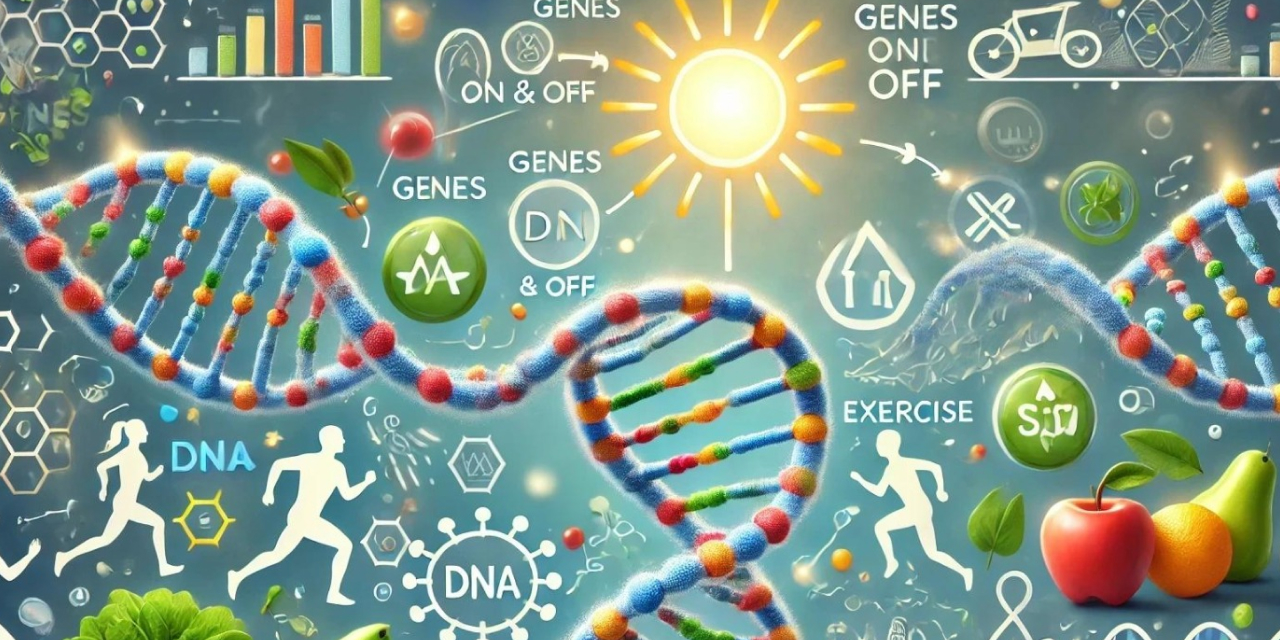
Nutritional needs are not identical from woman to woman, because genes influence how the body absorbs and uses some of what you eat, and epigenetics describes how lifestyle turns those genes up or down over time.
Our article on how epigenetics and weight loss are connected explains the science in plain language. Where a standard checklist stops at official daily amounts, a personalised plan starts from your test results and adjusts at follow-up reviews..
Book a consultation with Harley Weight Loss Clinic to review your diet, symptoms, and supplement routine in one plan. Contact the clinic here. All consultations are with a qualified clinician, and individual results vary.
FAQs
1. Does the NHS recommend taking magnesium during menopause?
No. National guidance sets a general figure of 270mg a day for women, obtainable from a varied diet, and makes no specific recommendation for extra magnesium at this stage. Trial evidence for hot flush relief is also negative, so it is only worth supplementing when intake is genuinely low.
2. What do the Japanese use for menopause?
Traditional Japanese diets are rich in soy foods such as tofu, miso, and edamame, which contain isoflavones, plant compounds with weak oestrogen-like activity. Research on isoflavone supplements shows mixed results overall. Enjoying soy foods is reasonable; expecting them to work like prescription treatment is not.
3. Which supplements are most effective for menopause symptoms like hot flushes, fatigue, or brain fog?
No supplement stands out in trials. Magnesium and omega-3 both failed to beat placebo for flushing, although omega-3 may ease sweating at night. For fatigue and fuzzy concentration, fixing a proven vitamin D, B12, or iron deficiency helps far more than adding fashionable blends at random.
4. Can supplements replace hormone therapy (HRT) for menopause symptoms?
No. Supplements top up what diet misses; hormone replacement therapy treats the hormonal cause of symptoms, and the two do different jobs. Some women use both, others neither. Whether HRT suits you depends on your history and preferences, which is a conversation for a qualified clinician, not a label.
5. Are there any supplements to avoid during menopause?
High-dose vitamin A deserves the most caution, because long-term intakes above 1.5mg a day may weaken bones in the years after periods stop. Very high doses of anything else bring their own side effects, and any herbal product should be checked against your medicines first.
6. Should I get tested for vitamin deficiencies in perimenopause?
Yes, when symptoms or risk factors point that way. Vitamin D, B12, iron, and thyroid checks explain fatigue, low energy, and poor concentration far better than guesswork, and results show whether topping up is genuinely needed. Testing first also prevents doses you do not need.